









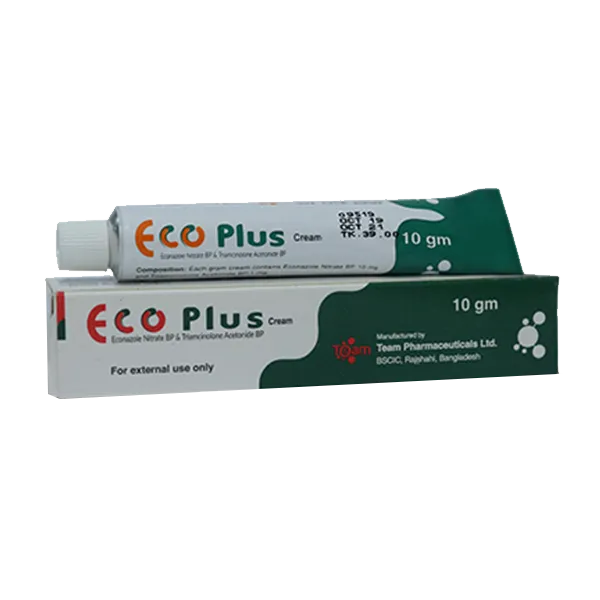
Cream.Eco Plus 10mg

-

Panther Dotted Condoms
৳23.75 -
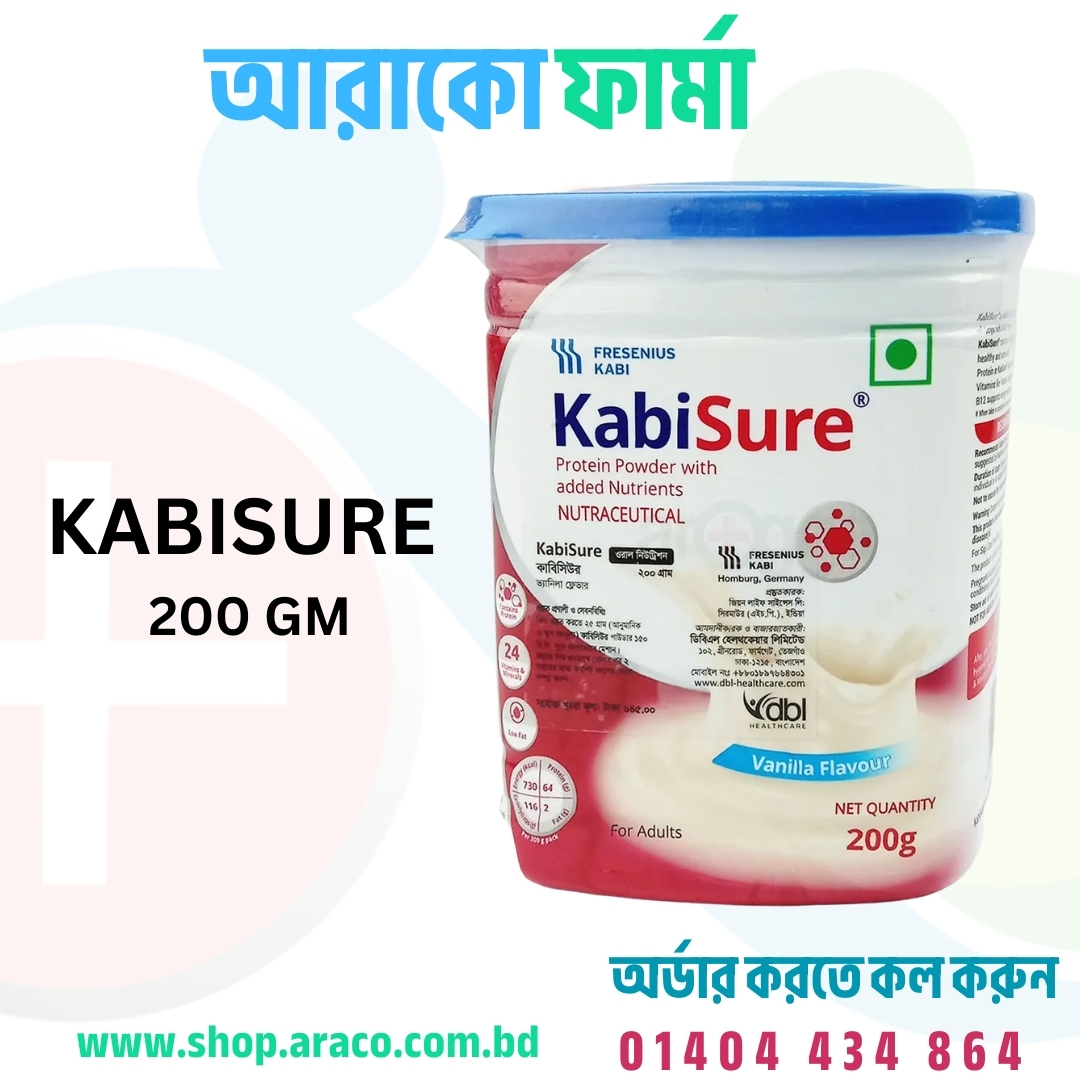
Kabisure 200gm
৳665.00 -
NapaDol
৳345.60 -
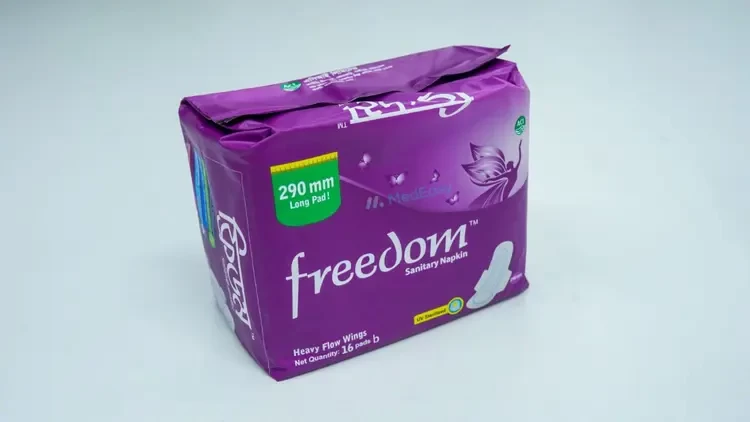
Freedom Heavy Flow Wings16 Pads
৳200.00


Indications of Ecoplus 10 Cream
Econazole Nitrate & Triamcinolone Acetonide indicated for the treatment of:
- Eczematous Mycoses
- Psoriasis
- Tinea Pedis (Athlete’s foot)
- Tinea Corporis (Ring worm)
- Tinea Cruris (Jock itch)
- Inflammatory Intertrigo
- Diaper Dermatitis
Pharmacology of Ecoplus 10 Cream
In a suitable base, Triamcinolone Acetonide (a Triamcinolone derivative). Topical steroids are used for their anti-inflammatory, anti-pruritic, and vasoconstrictive properties.
Dosage and Administration of Ecoplus 10 Cream
Adults: This cream should be applied sparingly to the skin lesion no more than 2 times daily, preferably once in the morning and once in the evening. This cream should not be applied with an occlusive dressing, or to large areas of skin on the body. The duration of treatment with this cream should continue until the inflammatory symptoms subside but not longer than 2 weeks; after 2 weeks of therapy with this cream, continue therapy as needed with a preparation containing econazole or econazole nitrate alone.
Pediatric Use: Pediatric patients may demonstrate greater susceptibility to topical corticosteroid-induced HPA axis suppression and Cushing's syndrome than mature patients because of a larger skin surface area to body weight. Caution should be exercised.
Interaction of Ecoplus 10 Cream
Econazole is an oral anticoagulant that is metabolized by the CYP3A4/2C9 enzyme (warfarin & acenocoumarol).
Triamcinolone reduces the amount of salicylates in the blood. NSAIDs increase the risk of Gl bleeding and ulceration. Antagonized the antidiabetic's blood glucose-lowering effects. Amphotericin B, beta-blockers, potassium-depleting diuretics, and theophylline all increase the risk of hyperkalemia. With ciclosporin, carbamazepine, phenytoin, barbiturate, and rifampicin, triamcinolone clearance is increased.
Triamcinolone Acetonide should not be applied to healthy skin or wide regions of skin, and it should not be used in the eyes because it can cause glaucoma and cataracts.
Contraindications
Patients having a history of hypersensitivity to any of the preparation's components should avoid using triamcinolone acetonide. It's also not recommended for skin TB, fungus infections, and viral skin disorders (Herpes simplex, chickenpox, and vaccinia), as well as perioral dermatitis, rosacea, and ulcerative conditions.
Side effects of Ecoplus 10 Cream
Burning, itching, irritation, dryness, folliculitis, hypertrichosis, acneiform eruptions, hypopigmentation, perioral dermatitis and allergic contact dermatitis, maceration of the skin, secondary infection, skin atrophy, striae, and miliaria have all been reported with topical corticosteroids, either with or without occlusive dressings.
Pregnancy & Lactation
There have been no appropriate and well-controlled investigations on the teratogenic consequences of topically administered corticosteroids in pregnant women. As a result, only if the potential benefit outweighs the danger to the fetus should topical corticosteroids be administered during pregnancy. It's unclear if topical corticosteroid therapy would result in enough systemic absorption to produce measurable amounts in breast milk. Corticosteroids that are taken systemically are secreted in breast milk in amounts that are unlikely to harm the newborn. When topical corticosteroids are given to a nursing mother, however, caution should be maintained.
Precautions & Warnings
Triamcinolone Acetonide should be stopped if any reactions or peculiarities occur. Topical steroids should be used with caution and close observation on affected regions, keeping in mind the risk of infection spread from anti-inflammatory drugs and the possibility of terminating steroid therapy and/or commencing antibacterial therapies.
Triamcinolone Acetonide should not be applied to healthy skin or wide regions of skin, and it should not be used in the eyes because it can cause glaucoma and cataracts. Atrophic striae are more likely to appear when steroids are used for long periods of time (greater than 4 weeks). The use of flexures and intertriginous zones for an extended period of time is not recommended. Topical corticosteroids are absorbed at a higher rate in children, making them more susceptible to systemic harm. Long-term continuous topical steroid medication in babies should be avoided. Even without blockage, adrenal suppression can develop.
Triamcinolone Acetonide should not be applied to healthy skin or wide regions of skin, and it should not be used in the eyes because it can cause glaucoma and cataracts.
Therapeutic Class
Triamcinolone & Combined preparations
Storage Conditions
Store in a cool & dry place. Protect from light.
Pharmaceutical Name of Ecoplus 10 Cream
Generic of Ecoplus 10 Cream
Related products

Lorix 5% 30mg

Napa 60ml

Afrin 10ML

Optimox

Alphapress XR 5mg

Scabex 30gm

Soneta 30gm

Tofen

Tusca Plus 100ml

Lorix Plus 60ml


সাধ্যের মধ্যে সবার জন্য মানসম্মত স্বাস্থ্যসেবা
যোগাযোগ
- ঠিকানা: বাসা-৩ (বাংলা স্কুল বালক শাখার সামনে), এভিনিউ-১, ব্লক-এ, সেকশন-১১, মিরপুর, ঢাকা-১২১৬।
- মোবাইল: 01404434864
- ইমেইল: aracopharma@gmail.com
